A Guide to Digital Dental X-rays, How They Save Smiles and Lives

Dental X-rays are essential to patients’ oral and overall health. And we at the office of Jamie J. Alexander, D.D.S., PA, use the latest advances in digital dental X-ray technology (radiography). These advancements support accurate diagnostics and provide peace of mind to our valued patients in Boynton Beach, Florida, and beyond. 

Digital X-rays

We believe (and the research bears out) that X-rays or radiography play an important role in diagnosing many dental anomalies, diseases, and conditions properly. A proper diagnosis facilitates prompt and effective symptom relief and treatment of underlying problems. With diagnostics as a cornerstone of our practice, Dr. Alexander has invested in digital X-rays or dental radiography. These digital systems present an alternative to the conventional film-based X-rays or radiography of yesteryear. They support:

Utmost safety and peace of mind, with up to 90% less radiation exposure 

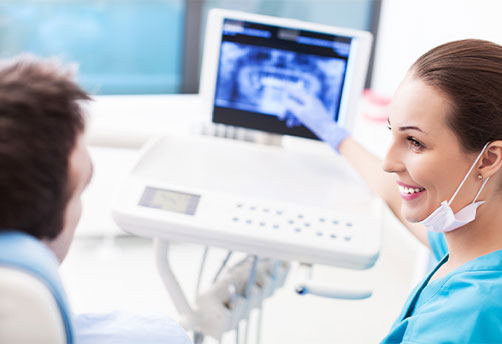
• Well-informed patients; we can use digital monitors to show individuals the condition of their teeth and any underlying problems, which aids in patient communication and education

• Secure, efficient, and hassle-free electronic communication with other dental specialties and insurance companies 

• Planet-friendly practices by eliminating the chemicals and lead waste associated with traditional X-ray processing 

• Fast and convenient dental visits (unlike film, digital X-rays do not have to be “developed”)

What to Expect

Everyone should have dental X-rays done periodically! Yes, even healthy patients. We want you to stay that way – healthy. Digital X-rays help us to accomplish this, by pinpointing problems that might otherwise go undetected until it is too late and the damage has been done. Oral conditions are notoriously “silent” or asymptomatic in their earliest stages. You may mistakenly think your teeth and gums are fine because your smile looks good and you feel OK.

Our precision X-rays go far beyond the surface and what can be seen with the human eye. We may use this technology to find “hidden” cavities, gingival inflammation or periodontal disease, abscesses and other oral anomalies, including pre-cancers and cancerous lesions. Furthermore, our advanced diagnostics aid in optimal treatment planning. We use X-rays to find the precise positioning of tooth roots or impacted teeth in bone tissue. Dr. Alexander can also get a complete and accurate picture of maxillofacial structures, such as the jawbone and the jaw joints (when evaluating for TMJ Disorders and symptoms). 

While we use the highest quality technologies, the office of Dr. Jamie J. Alexander also abides by the best practices set forth by the American Dental Association. We go to great lengths to ensure our patients are protected from radiation exposure during dental X-rays. For instance, we use special shield coverings to protect the upper body and a thyroid collar to protect sensitive areas of the neck. 

Frequently Asked Questions About Digital Dental Radiography (X-Rays)

Why do I need dental X-rays?

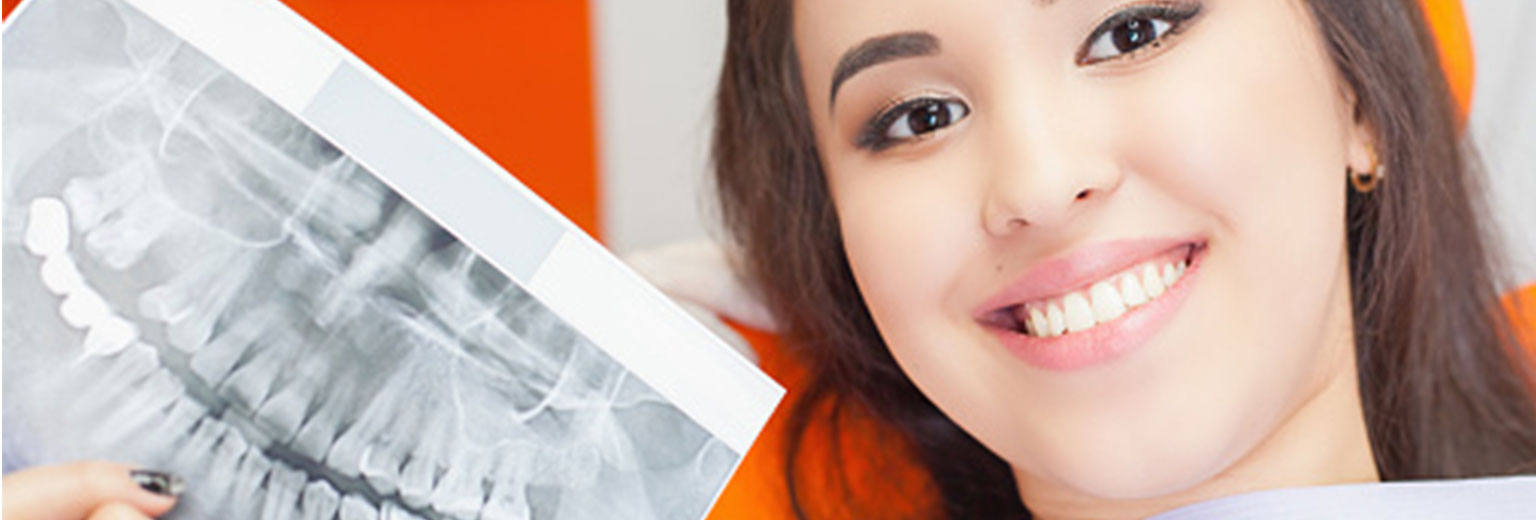
Dental X-rays or radiographs help dentists visualize your teeth, jawbone, and surrounding tissues. Using minimal radiation, dental X-rays help detect problems that cannot be seen during a visual exam, such as interdental cavities, bone loss, infections, and impacted teeth. X-rays also help in planning treatments such as extractions, crowns, root canals, and dental implants.

Are there several types of dental X-rays?

Yes. There are different types, each designed for a specific purpose. The most common ones include:

  • Bitewing X-rays: They help dentists detect decay, especially between teeth.
  • Periapical X-rays: They capture the entire tooth from the root to the crown. They help detect changes in the root and surrounding structures.
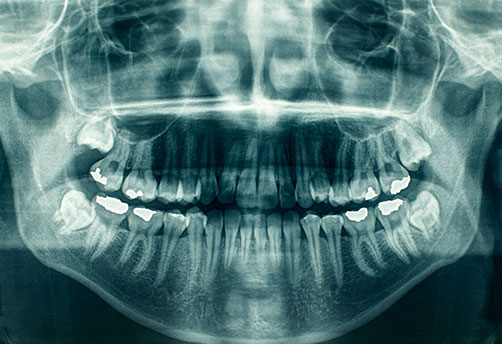
  • Panoramic X-rays: They provide a full view of the mouth, jaw, and sinuses in a single image. They are ideal for planning procedures such as orthodontics and dental implants.
  • Occlusal X-rays: They show all teeth in the upper and lower jaw, often used to spot teeth that haven’t broken through the gums, especially for children.

How often should I get dental X-rays?

The frequency depends on your age, oral health, and risk factors. We recommend dental X-rays every year. However, you may need them more often, especially if you have a history of gum disease or cavities. Our team will recommend a frequency that best suits your unique needs.

Should I be concerned about radiation exposure from X-rays?

We often hear that question, and we are happy to address it. Modern dental X-rays utilize very low levels of radiation, typically 80-90% less than those of film-based X-rays. Still, we use protective measures, such as lead aprons, to further reduce exposure. The benefits of dental X-rays far outweigh the risks.

Do children need X-rays?

Yes. Children need dental X-rays sometimes even more than adults. Their teeth and jaws are constantly growing, so X-rays help monitor this development and detect any issues early. Dental X-rays also help monitor emerging teeth and uncover interdental decay and alignment issues.

Do dental X-rays need any preparation?

No special preparation is needed. We’ll ask you to remove jewelry or metal objects. Our team will guide you on where to position your head or bite if necessary. Feel free to ask any questions you may have about the procedure. The process is quick and painless.

Can I get dental X-rays if I’m pregnant?

Typically, dental X-rays are safe for pregnant mothers. However, our dental team will take extra measures to avoid unnecessary exposure. For instance, we’ll try to avoid X-rays during the first trimester unless it’s avoidable. If needed, we use protective shielding to protect your abdomen and thyroid from unnecessary exposure.

Always inform your dentist if you are pregnant or think you might be. We’ll ensure you receive safe, comfortable care during this exciting time.

What are the benefits of using digital X-rays over traditional film X-rays?

Modern radiographs have made dental care faster, more precise, and comfortable. Digital X-rays produce high-quality images instantly, enabling faster diagnostics and treatment planning. They also expose patients to significantly less radiation. Digital images also allow easy storage and sharing with specialists when needed.

Are there any environmental benefits to using digital X-rays?

Yes. Digital X-rays do not use chemical processing or film. This reduces waste and eliminates harmful chemicals. It is a more eco-friendly option for dental imaging.

Does my local dentist in Boynton Beach, FL offer dental X-rays?

Jamie J. Alexander, D.D.S., PA, has invested in technology that makes a real difference to our patients. Call (561) 739-4778 and discover the difference dental X-rays can make to your dental care.

Schedule your appointment today!

Dentists like Dr. Alexander save thousands of teeth each year. They even save lives. After all, dental offices are on the front lines of diagnosing conditions that can seriously threaten your systemic health, like abscesses and tumors. We welcome new patients and any questions you may have about our X-rays and office. Our team in Boynton Beach, FL, looks forward to hearing from you. Call us at (561) 739-4778.